
UFC Betting Guide: How to Bet on UFC Fight Cards
Table of Contents Show
Views: 0
UFC betting means placing wagers on Ultimate Fighting Championship fight cards, individual fights, main events, title fights, prelims, fighter props, method-of-victory markets, round markets, and live fight outcomes through an online sportsbook or UFC bookmaker. Users bet on UFC online by choosing a licensed betting site, registering an account, depositing money, opening the Sports, MMA, UFC, or Events section, selecting a fight card, choosing a UFC betting market, checking odds and settlement rules, entering a stake, and confirming the bet slip. Common UFC betting markets include fight winner, UFC moneyline, method of victory, knockout/TKO, submission, decision, round betting, over/under rounds, fight goes the distance, fight does not go the distance, inside the distance, UFC prop betting, parlays, and UFC live betting. UFC betting differs from regular sports betting because one strike, takedown, submission, injury, referee stoppage, doctor stoppage, disqualification, no contest, or judge decision can decide the result. It also differs from general MMA betting because UFC fight cards usually attract higher public attention, deeper bookmaker coverage, more props, stronger media narratives, and heavier betting volume around main events and title fights. Fight card structure, weight class, fighter style, reach, cardio, injuries, weigh-ins, camp news, grappling, striking, takedown defense, judging, and stoppage risk matter because they can change UFC odds before and during a fight. UFC betting does not guarantee profit. Users need bankroll management, legal awareness, deposit limits, loss limits, and responsible gambling tools before placing any wager.
Last UFC news, events
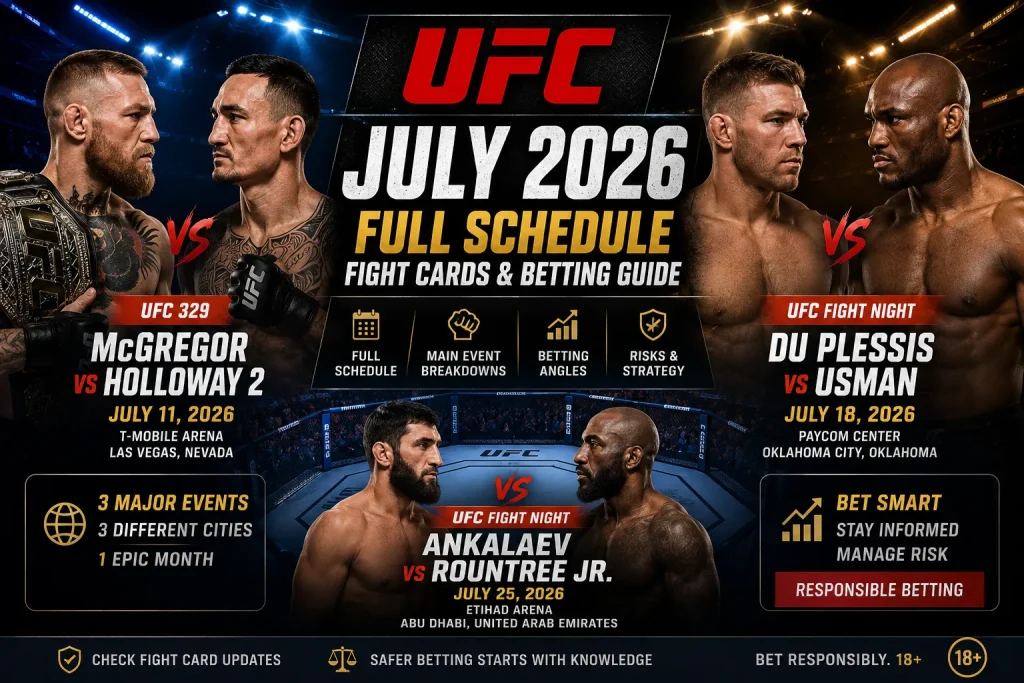
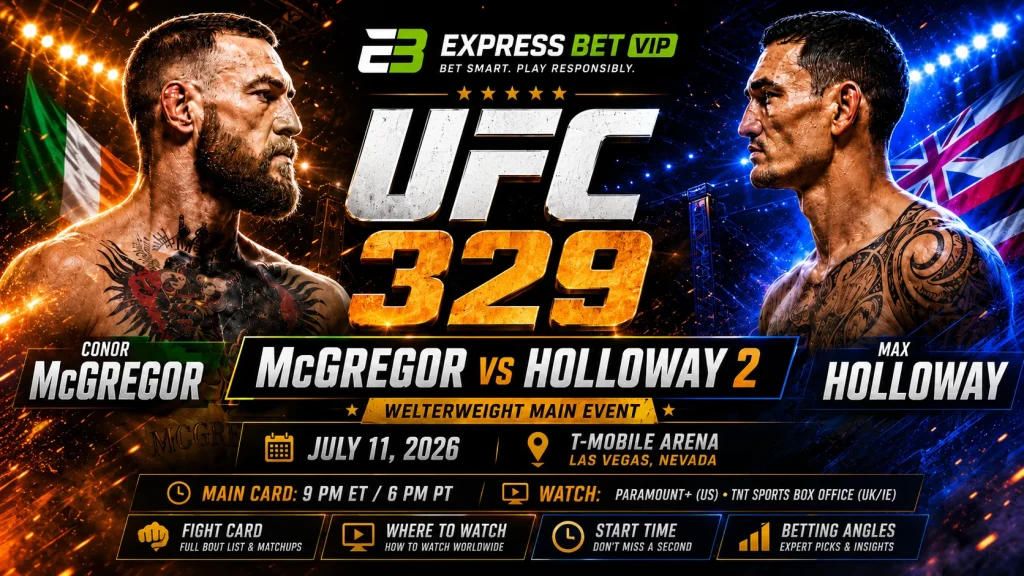
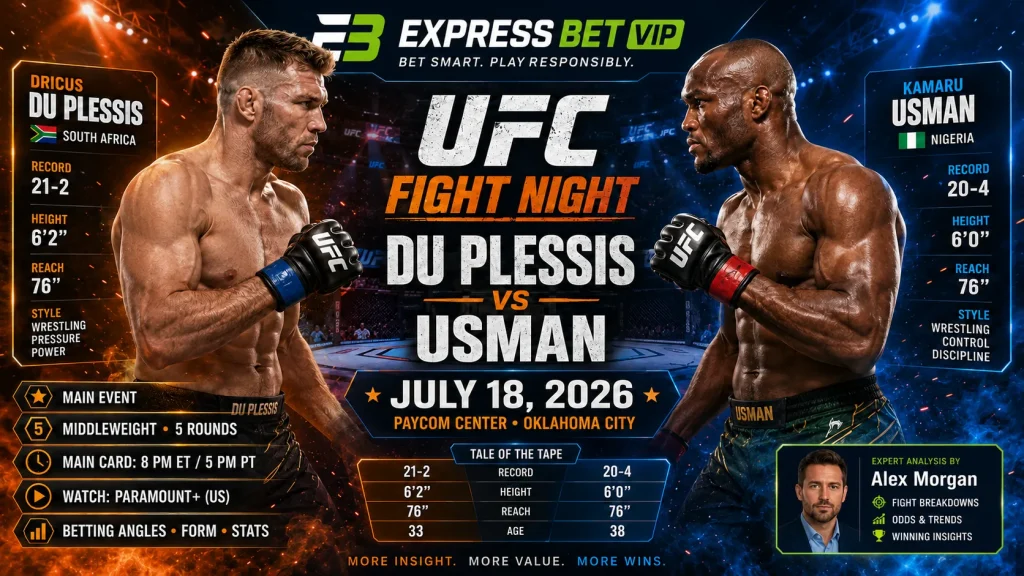
TOP UFC Betting platforms
 500% on first depositBETTINGPETTING
 200% on first depositAVIATOR2049
 500% on first depositEXPRESSBET
 Welcome 150% Casino Bonus + 100 Free Spins
 Welcome Bonus up to 127 000 INR + 150 FS
 100% on first deposit with up to $275
 250 Free spins in selected slots
Quick Summary
UFC betting is a combat sports event betting category focused on UFC fight cards. It covers individual fights, prelims, main-card bouts, co-main events, main events, title fights, method-of-victory markets, round markets, fighter props, live betting, and fight-card parlays.
This page focuses on UFC as a specific event and fight-card betting topic. It does not replace a broad MMA Betting Guide or Combat Sports Betting Guide. A general MMA guide should explain wider combat sports formats, promotions, rule differences, and basic MMA market definitions. This UFC betting guide focuses on UFC-specific context: fight cards, main events, co-main events, prelims, title fights, five-round fights, three-round fights, weigh-ins, late replacements, camp changes, fighter style matchups, judging, and live fight volatility.
UFC bookmakers offer odds on fight outcomes and fight-card markets. The user chooses a market, enters a stake, confirms the bet slip, and waits for settlement.
UFC betting differs from many regular sports betting markets because fights can end at any moment. A football or cricket match usually gives many scoring phases. A UFC fight can end from one clean punch, one submission entry, one referee stoppage, one cut, one injury, one illegal strike, or one judge decision.
Fight card structure matters. Early prelims may have lower market depth. Main cards usually attract more public money. Main events may use a five-round format. Title fights can add cardio, pressure, and tactical risk. Fight length changes round markets, over/under rounds, method markets, and live betting.
Beginners should start with simple UFC markets such as fight winner or moneyline. They should avoid exact round markets, method-of-victory parlays, high-risk props, and live UFC betting until they understand fight momentum, style matchups, and settlement rules.
UFC betting must stay entertainment. It should never become income, debt recovery, or emotional reaction after a controversial result.
Key Takeaways
- UFC betting focuses on UFC fight cards and fight outcomes.
- Fight winner and moneyline are the simplest UFC markets.
- Method of victory, exact round, and fighter props carry higher risk.
- UFC main events can differ from prelims because of attention, pressure, and possible five-round format.
- Weight class, weigh-ins, style matchup, reach, cardio, grappling, striking, and takedown defense affect odds.
- Judging and stoppage risk make UFC betting volatile.
- Live UFC betting is risky because a fight can end at any moment.
- Parlays can lose from one wrong leg.
- No UFC betting strategy guarantees profit.
- Bankroll management and responsible gambling are mandatory.
What Is UFC Betting?
UFC betting means betting on Ultimate Fighting Championship fight cards and fight outcomes. It belongs to combat sports event betting because UFC events combine individual fights, fight-card structure, main event hype, title fights, prelims, live markets, and fighter-specific props.
Users can bet on a UFC fight before it starts or during the fight where live betting is available. They can also bet on specific outcomes such as method of victory, round of victory, fight duration, fighter props, or whether the fight goes the distance.
UFC betting differs from general sports betting. Many sports use teams, seasons, tables, repeated fixtures, and scoring systems that unfold across longer periods. UFC fights are individual combat events. One mistake can decide the result.
UFC betting also differs from general MMA betting. MMA betting can cover many promotions, rulesets, athlete levels, and event structures. UFC betting focuses on one specific promotion with high public attention, large fight-card coverage, main event markets, title-fight pricing, and deeper sportsbook liquidity.
UFC betting is also different from casino games. Casino games usually depend on random number generators or live dealer rules. UFC betting depends on competitive fights and bookmaker settlement rules. This does not remove risk. It only changes the source of uncertainty.
A bookmaker offers UFC odds. The user chooses a market, selects an outcome, enters a stake, and confirms the bet slip.
Example:
A user chooses a UFC fight. The user selects Fighter A to win at decimal odds of 2.00. The user stakes $10. If Fighter A wins under the selected market rules, the total return is $20. The profit is $10 because the original stake is included in the return.
Formula:
Stake × Odds = Total Return
Profit formula:
Total Return − Stake = Profit
If Fighter A loses, the user loses the stake.
For general combat sports betting rules and broad MMA market definitions, users should read a broader Combat Sports Betting Guide. This page focuses on UFC-specific betting context.
How UFC Betting Works Step by Step
UFC betting follows a standard online sportsbook process. The user still needs legal awareness, market understanding, and risk control.
- Check whether online UFC betting is legal in the user’s location.
- Choose a licensed UFC betting site.
- Register an account.
- Complete KYC verification if required.
- Deposit money.
- Open the Sports, MMA, UFC, or Events section.
- Select the UFC event or fight card.
- Choose a fight or tournament-style market where available.
- Check odds and settlement rules.
- Enter stake.
- Confirm the bet slip.
- Track the fight or card.
- Withdraw winnings if available.
Text flow:
Check Local Law → Choose Bookmaker → Register → Deposit → Open UFC or Events Section → Select Fight Card → Choose Market → Check Rules → Enter Stake → Place Bet → Track Fight → Withdraw
Before confirming any UFC bet, the user should check:
- event name;
- fight name;
- selected fighter;
- selected market;
- fight length;
- odds;
- stake;
- potential return;
- settlement rules;
- no contest rules;
- disqualification rules;
- method-of-victory rules;
- round cutoff rules;
- bonus restrictions if bonus funds are used.
Market wording matters. “Fighter A moneyline” is not the same as “Fighter A by knockout.” “Fight goes the distance” is not the same as “over 2.5 rounds.” “Inside the distance” is not the same as “by knockout.” “Round 1” markets need exact settlement rules.
UFC Betting vs Regular Sports Betting
UFC betting uses odds and stakes like other sports betting, but the risk structure is different.
| Factor | Regular Sports Betting | UFC Betting |
|---|---|---|
| Main Structure | Teams, leagues, seasons, repeated fixtures | Individual fights and fight cards |
| Result Timing | Often unfolds over many scoring phases | Can end instantly |
| Main Risk | Team form, injuries, tactics, schedule | Style matchup, finish risk, judging |
| Live Betting | Usually has repeated scoring phases | One strike or submission can end market |
| Public Betting | Varies by sport | High around main events |
| Market Depth | Strong in major sports | Strong for UFC main cards |
| Prop Risk | Player/team stats | Fighter stats and stoppage risk |
| Settlement Issues | Score, time, official result | No contest, DQ, method, stoppage |
| Emotional Risk | Team loyalty | Fighter loyalty and hype |
Many sports have teams, seasons, leagues, and repeated fixtures. UFC fights are individual combat events. One strike, takedown, submission, injury, referee stoppage, doctor stoppage, or judge decision can decide the result.
Fight cards include multiple bouts with different risk profiles. A prelim bout may have less public data. A main event may have more media attention and more betting volume. A title fight may last five rounds and create different cardio risk.
Fighter news can move odds sharply. A missed weight, late replacement, injury rumor, camp change, or visible weigh-in problem can alter the market.
Live UFC betting can change quickly because a fight can end at any moment. A fighter may look dominant and then get submitted. A striker may lose two rounds and then land one knockout.
UFC Betting vs General MMA Betting
UFC betting is part of MMA betting, but the search intent is narrower.
| Factor | General MMA Betting | UFC Betting |
| Promotions Covered | Many promotions | UFC only |
| Rule Differences | Can vary by promotion | UFC-specific context |
| Market Depth | Varies widely | Usually deeper for major UFC cards |
| Public Attention | Varies | High for main events and title fights |
| Data Availability | Mixed | Often stronger |
| Props | May be limited | More available on major fights |
| Betting Volume | Varies by promotion | Often higher |
| Event Context | Promotion-specific | Fight card, weigh-ins, UFC media cycle |
| Settlement | Promotion rules vary | Official UFC result and bookmaker rules |
General MMA betting can include many promotions with different rules, athlete levels, data depth, and market coverage. UFC markets often have more props and liquidity.
Public hype can distort prices around famous fighters. A popular fighter may attract money even when the price is weak. A less famous but technically strong fighter may be overlooked by casual bettors.
UFC-specific context includes fight card structure, weigh-ins, late replacements, main event formats, title fights, and official UFC result settlement.
This page should not become a generic MMA guide. It should explain UFC as a fight-card event product.
UFC Betting vs General Event Betting
UFC also belongs to the Events section because each fight card is a major public event.
| Factor | General Event Betting | UFC Betting |
| Result Source | Awards, votes, public announcements, special events | Official fight result |
| Data Type | Often announcement-based | Fight data and official results |
| Market Style | Winner, category, yes/no | Fight winner, method, round, props |
| Live Betting | Often limited | Active during fights where available |
| Settlement Risk | Official source wording | No contest, DQ, stoppage, method |
| Public Hype | Event-dependent | Strong around main events |
| Main User Error | Rumor-based betting | Ignoring style and finish risk |
General event betting may depend on awards, shows, public announcements, or special markets. UFC settlement usually depends on official fight result and bookmaker terms.
UFC still has event-style features: public hype, fight card betting, main event markets, title fight markets, and high seasonal interest.
Special UFC markets need clear settlement rules. Performance bonus markets, fight of the night markets, prop markets, and no contest situations may settle differently across bookmakers.
Why UFC Creates a Different Betting Environment
UFC creates a different betting environment because each event combines fight-week media, weigh-ins, fighter interviews, public narratives, main event hype, and one-fight volatility.
Important UFC-specific factors include:
- high public attention;
- fight-week media;
- weigh-ins;
- faceoffs;
- fighter interviews;
- main event hype;
- public money on famous fighters;
- late injury or replacement risk;
- emotional betting from fighter loyalty;
- one-fight volatility;
- stoppage risk;
- judging risk.
Expert note:
UFC betting should be treated as fight-event betting, not just standard sports betting.
A fighter can look strong on paper and still lose from one mistake. A favorite can get caught in a submission. An underdog can land a knockout. A fight can be stopped by the referee, doctor, corner, injury, disqualification, or no contest.
Users should avoid betting only because of fighter popularity or pre-fight confidence.
UFC Fight Card Structure Explained
A UFC event usually contains several fight-card layers. Users must verify the current bout order before betting because card structure can change.
Common fight card elements include:
- early prelims;
- prelims;
- main card;
- co-main event;
- main event;
- title fights;
- non-title fights;
- three-round fights;
- five-round fights.
| Fight Card Element | Betting Relevance |
| Early Prelims | Lower public attention and sometimes lower market depth |
| Prelims | More betting interest but still possible data gaps |
| Main Card | Higher volume and more props |
| Co-Main Event | Strong media attention and deeper markets |
| Main Event | Highest public interest and possible five-round format |
| Title Fight | Championship pressure and often five-round risk |
| Non-Title Fight | Usually three rounds unless otherwise set |
| Three-Round Fight | Less time for late comeback |
| Five-Round Fight | Cardio and durability matter more |
Fight length changes market risk. Five-round fights create more time for cardio fade, late finishes, and round-total markets. Three-round fights can make early rounds more decisive.
Main card markets usually receive more betting volume. Famous fighters can attract public money. This can move odds.
Do not claim the current UFC fight card, bout order, fighter status, venue, rankings, or title status unless verified with current official sources before publication.
UFC Fight Types and Betting Risk
Different fight-card positions create different betting risk.
Preliminary Card Betting
Preliminary card betting often receives lower public attention than main-card betting. Bookmaker market depth may be smaller. Some fighters may have less public data. Props may be limited.
Risk factors include:
- limited information;
- fighter development uncertainty;
- lower media coverage;
- smaller sample size;
- late card changes;
- less prop liquidity.
Prelim betting can still offer market depth at some bookmakers, but users should avoid assuming that less public attention means easier betting.
Main Card Betting
Main card betting usually has stronger market depth, higher public betting volume, better media coverage, and more props.
This can help users find more markets, but it also increases hype risk. Public money can move prices around famous fighters, viral narratives, or emotional storylines.
Users should separate market price from popularity.
Co-Main Event Betting
A co-main event is often a high-profile fight. It can involve title relevance, contender stakes, or a popular fighter.
Co-main event betting usually has strong market activity. Style matchup analysis matters. A fighter may be popular, but the matchup can still be bad.
Users should check fight length, weight class, recent form, weigh-in context, and method markets before betting.
Main Event Betting
Main event betting receives the strongest public attention. Main events may use a five-round format, depending on event rules.
Five-round potential changes the analysis. Cardio, pacing, durability, corner adjustments, and late-round performance become more important.
Main event markets can attract heavy public money. Users should avoid overreacting to pre-fight videos, faceoffs, or media narratives.
UFC Title Fight Betting
UFC title fight betting can involve five-round risk where applicable, championship pressure, experienced fighters, durability, cardio, tactical depth, judging risk, and finish risk.
Championship fights can last longer, but they can also end early. A fighter may pace differently across five rounds. A challenger may start fast. A champion may adjust later.
Users should read settlement rules for round totals, method markets, and draw/no contest outcomes.
Main UFC Betting Markets
UFC betting sites may offer broad market coverage, especially for main cards.
| UFC Betting Market | Meaning | UFC-Specific Risk | Risk Level |
| Fight Winner | Pick fighter who wins | Any official victory route | Medium |
| Moneyline | Same as fight winner in most cases | Price can be inflated by hype | Medium |
| Method of Victory | Fighter wins by KO/TKO, submission, or decision | Exact method required | High |
| Knockout/TKO | Fighter wins by strikes or stoppage under rules | Submission or decision loses | High |
| Submission | Fighter wins by submission | Control without finish loses | High |
| Decision | Fighter wins on scorecards | Finish risk and judging risk | High |
| Unanimous Decision | All judges score for fighter | Split/majority result loses | Very high |
| Split Decision | Split result required | Very specific outcome | Very high |
| Round Betting | Fighter wins in specific round | Exact timing required | Very high |
| Over/Under Rounds | Fight passes or ends before cutoff | Early finish risk | Medium to high |
| Goes Distance | Fight reaches final horn | Finish risk | Medium |
| Does Not Go Distance | Fight ends before final horn | Durable fighters can spoil | Medium |
| Inside the Distance | Fighter wins before final horn | Decision loses | High |
| Draw | Fight ends draw | Rare outcome | Very high |
| No Contest Rules | Settlement depends on bookmaker | Rule complexity | High |
| Disqualification | DQ-related market where available | Rare and volatile | Very high |
| Live Betting | In-play fight markets | Fight can end instantly | High |
| Parlay | Multiple fight picks combined | One wrong leg loses ticket | High |
| Performance Bonus | Bonus outcome where available | Official award source | Very high |
| Fight of the Night | Award outcome where available | Subjective and rare | Very high |
Beginners should start with fight winner or moneyline. Method, round, and prop markets need deeper analysis and smaller stakes.
UFC Fight Winner and Moneyline Betting
UFC fight winner betting, also called UFC moneyline betting, means choosing which fighter wins the fight.
Example:
Event: UFC Fight
Market: Fight Winner / Moneyline
Selection: Fighter A
Odds: 1.80
Stake: $10
Potential return: $18
Potential profit: $8
The bet usually wins if Fighter A wins by any official victory route under bookmaker rules. This can include knockout, technical knockout, submission, decision, disqualification where rules allow, or other official win conditions.
Moneyline is the simplest UFC market for beginners. It avoids predicting the exact method or round. It still carries high fight risk.
Favorites can lose. A favorite can suffer a bad weight cut, get caught in a submission, lose a close decision, gas out, take an injury, or make one tactical mistake.
Important factors include:
- style matchup;
- cardio;
- weight cut;
- injury news;
- camp news;
- reach;
- striking defense;
- takedown defense;
- grappling threat;
- judging risk.
UFC Method of Victory Betting
UFC method of victory betting means predicting how a fighter wins.
| Method Market | What Must Happen | Main Risk |
| Fighter by KO/TKO | Fighter wins by knockout or technical knockout under rules | Submission or decision loses |
| Fighter by Submission | Fighter wins by submission | Control without tap loses |
| Fighter by Decision | Fighter wins on scorecards | Finish loses |
| Fighter Inside the Distance | Fighter wins before final horn | Decision loses |
| Fighter by Points | Fighter wins by decision | Finish loses |
| Draw | Fight ends draw | Rare outcome |
| DQ Market | Disqualification result where offered | Rare and rule-specific |
| No Contest | Settlement depends on bookmaker | Often void or special rules |
Method markets are higher risk than moneyline because the user must predict both the winner and the method.
Style matchup matters. A pressure striker may have knockout potential. A strong wrestler with submission skills may threaten chokes. A high-volume but low-power fighter may be more likely to win by decision.
Doctor stoppage and referee stoppage treatment can differ by bookmaker. Some bookmakers count doctor stoppage as TKO. Users must check terms.
UFC Knockout and TKO Betting
Knockout and TKO betting focuses on wins by strikes or stoppage.
A knockout usually means a fighter is unable to continue after a strike. A technical knockout can happen when the referee stops the fight because a fighter cannot intelligently defend, takes too much damage, or cannot continue under fight rules.
KO/TKO factors include:
- striking power;
- accuracy;
- pressure;
- ground-and-pound;
- opponent chin durability;
- defensive flaws;
- pace;
- body shots;
- leg kicks;
- cage control;
- referee stoppage tendencies.
Doctor stoppages can matter. A cut can lead to a doctor stoppage. Many bookmakers treat this as TKO, but users must check settlement rules.
KO/TKO markets lose if the fighter wins by submission or decision. A fighter can badly hurt an opponent and still win by submission later, which can lose a KO/TKO bet.
UFC Submission Betting
Submission betting means predicting that a fighter wins by submission.
Submission factors include:
- grappling advantage;
- Brazilian jiu-jitsu;
- wrestling entries;
- takedowns;
- back control;
- choke threats;
- armbar threats;
- joint-lock threats;
- submission defense;
- fatigue;
- ground control;
- scramble ability.
A fighter may control an opponent on the ground without finishing. That can win rounds but lose a submission bet. A grappler may dominate position and still win by decision.
Fatigue can increase submission risk. A tired fighter may expose the neck, give the back, or fail to defend transitions.
Submission betting requires strong style analysis. It is higher risk than moneyline.
UFC Decision Betting
Decision betting means the fighter wins by judges’ scorecards after the fight reaches the final horn.
Decision markets can include:
- fighter by decision;
- unanimous decision;
- split decision where available;
- majority decision where available.
Decision factors include:
- high-volume style;
- defensive durability;
- low finish rate;
- cardio;
- tactical control;
- wrestling control;
- striking volume;
- close-round risk.
Judging can be controversial and unpredictable. Close rounds can swing the outcome. A fighter can appear to win visually but lose on scorecards. A split decision can go against the betting selection.
Decision markets lose if the fighter wins by finish. A fighter can dominate and then finish late, which loses a decision bet.
UFC Round Betting
Round betting means predicting the round in which the fight ends or the round in which a fighter wins.
| Round Market | Meaning | Risk Level |
| Fighter Round 1 | Fighter must win in Round 1 | Very high |
| Fighter Round 2 | Fighter must win in Round 2 | Very high |
| Fighter Round 3 | Fighter must win in Round 3 | Very high |
| Fighter Round 4 | Fighter must win in Round 4 where applicable | Very high |
| Fighter Round 5 | Fighter must win in Round 5 where applicable | Very high |
| Exact Round | Fight must end in selected round | Very high |
| Championship Rounds | Fight reaches or ends in rounds 4–5 | High |
Exact round markets are high risk. The user must predict the winner, route timing, and fight flow.
Five-round fights change round betting. More rounds create more possible outcomes. A fighter may start slow and finish late. Another may fade after round three.
Beginners should avoid exact round betting or use tiny stakes.
UFC Over/Under Rounds Betting
Over/under rounds betting focuses on fight duration.
Examples:
- over 1.5 rounds;
- under 1.5 rounds;
- over 2.5 rounds;
- under 2.5 rounds;
- over 4.5 rounds in five-round fights.
| Rounds Total Market | What Must Happen |
| Over 1.5 Rounds | Fight passes the halfway point of Round 2 under rules |
| Under 1.5 Rounds | Fight ends before the market cutoff |
| Over 2.5 Rounds | Fight passes the halfway point of Round 3 under rules |
| Under 2.5 Rounds | Fight ends before the cutoff |
| Over 4.5 Rounds | Five-round fight passes halfway point of Round 5 under rules |
| Under 4.5 Rounds | Fight ends before that cutoff |
Over 2.5 rounds wins if the fight passes the halfway point of Round 3 under market rules. Under 1.5 rounds wins if the fight ends before the market’s cutoff time.
Pace, durability, grappling, and finishing threat matter. One early finish can lose an over. A durable fighter can spoil an under.
Users must check exact cutoff timing because bookmakers define round totals by official fight time.
Fight Goes the Distance Betting
Fight goes the distance means the fight reaches the final horn. Fight does not go the distance means the fight ends before the final horn.
Factors that support goes the distance:
- durable fighters;
- low finish rates;
- defensive grappling;
- controlled pace;
- point-fighting style;
- strong cardio.
Factors that support does not go the distance:
- knockout power;
- submission threat;
- poor defense;
- aggressive pace;
- cardio gaps;
- short-notice fighter;
- damage accumulation.
Title fights and five-round main events make this market more complex. More rounds create more time for finishes, but experienced championship fighters may also manage pace.
UFC Fighter Prop Betting
Fighter props focus on specific fighter statistics or fight actions. Availability depends on bookmaker coverage.
| Fighter Prop | Meaning | Key Factor |
| Significant Strikes | Fighter lands strike count | Pace and range |
| Takedowns | Fighter lands takedowns | Wrestling game plan |
| Submission Attempts | Fighter attempts submissions | Grappling style |
| Knockdowns | Fighter scores knockdowns | Power and accuracy |
| Control Time | Fighter controls position | Wrestling and grappling |
| Performance Bonus | Fighter wins official bonus where offered | Official award decision |
| Fight of the Night | Fight receives official bonus where offered | Subjective award source |
Data provider and settlement source matter. A bookmaker may use a specific data feed. Users should read rules for disputed stats.
Fighter props may not be available at all bookmakers. They are usually deeper for main cards than prelims.
Props are high risk because fight length, finish timing, and tactical approach can change output.
UFC Parlay and Accumulator Betting
A parlay or accumulator combines multiple selections into one ticket. The potential return increases, but every leg must win.
Example:
- Fighter A moneyline;
- Fighter B moneyline;
- fight over 1.5 rounds.
If one leg loses, the full parlay loses.
Fight-card parlays attract casual bettors because they offer higher potential payouts. They also carry higher failure risk. UFC is especially volatile because one finish, judge decision, injury, or disqualification can break the ticket.
Users should avoid large-stake parlays. Parlays should never be used to chase losses.
Live UFC Betting
Live UFC betting means placing wagers during an active fight. It is also called in-play UFC betting.
Live odds move quickly because fight momentum can change in seconds.
| Live UFC Factor | Impact on Odds |
| Knockdown | Striker odds may shorten sharply |
| Takedown | Grappler odds may shorten |
| Near Submission | Submission threat changes market |
| Control Time | Round scoring may shift |
| Visible Fatigue | Late-round odds change |
| Cut or Swelling | Doctor stoppage risk rises |
| Doctor Check | Market may suspend |
| Referee Warning | DQ or point deduction risk appears |
| Round Momentum | Live score assumptions change |
| Judge Uncertainty | Close fights become risky |
| Broadcast Delay | User may see old action |
| Market Suspension | Betting may pause during danger |
| Cash Out | Value changes with live odds |
Examples:
Odds can move after a knockdown, takedown, near submission, visible fatigue, cut, doctor check, or one fighter winning two rounds. In a five-round fight, odds can change before championship rounds if one fighter is fading.
Live UFC betting is risky because the fight can end before the user reacts. Broadcast delay creates extra risk. The bookmaker may have faster information than the user sees.
Beginners should avoid live UFC betting or use very small stakes.
Pre-Fight UFC Betting vs Live UFC Betting
| Factor | Pre-Fight UFC Betting | Live UFC Betting |
| Research Time | More time | Less time |
| Odds Movement | Slower | Fast |
| Weigh-In Information | Can be studied before fight | Already priced quickly |
| Live Fight Data | Not active yet | Constantly changing |
| Broadcast Delay | Not relevant | Major risk |
| Emotional Pressure | Lower | Higher |
| Bookmaker Suspension | Less frequent | Common during danger |
| Beginner Suitability | Better | Riskier |
| Risk Level | Medium | High |
Pre-fight betting allows time to study style matchup, weigh-ins, fight length, odds, injury reports, and settlement rules. Live betting adds speed and pressure.
Beginners should usually start with pre-fight UFC markets.
How UFC Odds Work
UFC odds show possible payout and implied probability.
Common formats include:
- decimal odds;
- fractional odds;
- American odds.
Decimal odds are simple.
Formula:
Stake × Odds = Total Return
Profit formula:
Total Return − Stake = Profit
| Stake | Odds | Total Return | Profit |
| $5 | 1.50 | $7.50 | $2.50 |
| $10 | 2.00 | $20.00 | $10.00 |
| $20 | 2.50 | $50.00 | $30.00 |
| $50 | 3.00 | $150.00 | $100.00 |
Odds reflect fighter skill, style matchup, public betting, sharp betting, and bookmaker risk.
A favorite has lower odds. An underdog has higher odds. This does not make the favorite safe or the underdog valuable by default.
Bookmaker margin gives the sportsbook an edge. Odds comparison can help users avoid weak prices, but it cannot guarantee profit.
Why UFC Odds Move
UFC odds can move before and during fight week.
| Odds Movement Cause | Example | User Risk |
| Fighter News | Fighter changes camp | Market may overreact |
| Injury Rumor | Injury claim appears online | Rumor may be false |
| Camp News | Training issue reported | Hard to verify |
| Weight Cut | Fighter looks drained | Visual reads can mislead |
| Missed Weight | Fighter fails limit | Odds can move sharply |
| Late Replacement | Opponent changes | Old analysis loses value |
| Faceoff Reaction | Fighter looks intense | Public may overreact |
| Public Betting Volume | Famous fighter backed | Price may shorten without value |
| Sharp Betting Activity | Skilled bettors move line | Late price may be worse |
| Media Narratives | Storyline dominates | Popularity distorts odds |
| Stylistic Analysis | Market re-rates matchup | Price may change |
| Live Knockdown | Fighter hurt | Odds swing instantly |
| Live Takedown | Grappler controls round | Market shifts |
| Visible Fatigue | Cardio issue appears | Late odds change |
| Doctor Checks | Stoppage risk rises | Market may suspend |
| Bookmaker Risk Exposure | Liability grows | Price adjusts |
Odds movement is information, not proof. A price can shorten and still lose. A price can drift and still win.
Users should not bet only because odds moved.
Key Factors Before Betting on UFC
UFC analysis should focus on fight-specific conditions, not only fighter records.
Fighter Style Matchup
Style matchup matters more than raw record.
Common style clashes include:
- striker vs grappler;
- wrestler vs striker;
- pressure fighter vs counter striker;
- volume striker vs power puncher;
- submission artist vs takedown defender;
- clinch fighter vs distance striker.
A fighter can be strong overall but weak against a specific style. A striker with poor takedown defense may struggle against a wrestler. A grappler with weak entries may fail against a long-range striker.
Weight Class
Weight class affects size, speed, power, cardio, and weight-cut impact.
A fighter moving up may gain durability but lose size advantage. A fighter cutting hard may appear drained. Larger fighters may carry more knockout risk. Lower weight classes may create higher pace and volume.
Users should not assume that a bigger fighter automatically has value. Speed, cardio, and technique matter.
Weigh-Ins and Weight Cut
Weigh-ins matter because they reveal weight-cut context.
Important signals include:
- missed weight;
- catchweight change;
- visibly drained fighter;
- rehydration concerns;
- late weigh-in drama;
- opponent accepting or rejecting changes.
A missed weight can change market perception. It can also indicate poor preparation or difficult cut. However, visual reads can mislead. A fighter can look drained and still win.
Users should avoid betting only on weigh-in appearance.
Reach, Height, and Stance
Reach, height, and stance can affect distance control.
A reach advantage can help a striker maintain range. A height advantage can help knees, kicks, or clinch leverage. Southpaw vs orthodox matchups can change lead-hand and lead-kick dynamics.
Stance matchup matters for:
- leg kicks;
- body kicks;
- jab access;
- counter lanes;
- takedown entries;
- cage pressure.
Physical measurements are useful, but they do not decide fights alone.
Striking and Defensive Skills
Striking analysis should include more than knockout power.
Key factors include:
- volume;
- accuracy;
- defense;
- footwork;
- countering;
- leg kicks;
- body shots;
- combinations;
- cage cutting;
- pressure management.
A fighter with power can lose if he cannot land. A volume striker can win rounds without a finish. A poor defensive fighter can be vulnerable even when aggressive.
Grappling and Takedown Defense
Grappling analysis includes wrestling entries, takedown defense, ground control, submission threat, and get-up ability.
A fighter with strong takedown defense can keep the fight standing. A wrestler with strong top control can win rounds. A submission artist can threaten from top or bottom position.
Important factors include:
- takedown accuracy;
- takedown defense;
- clinch control;
- cage control;
- scramble ability;
- submission defense;
- ground-and-pound;
- get-up ability.
Grappling can dominate a fight even without a finish.
Cardio and Pace
Cardio matters, especially in five-round fights.
A fighter with high pace can win early and fade late. Another fighter may start slow and take over after round two. Five-round main events increase cardio importance.
Pace factors include:
- striking volume;
- wrestling attempts;
- clinch exchanges;
- pressure style;
- weight cut;
- altitude or travel context where relevant;
- short-notice preparation.
Late-round performance can decide moneyline, over/under rounds, and live betting.
Durability and Finish Risk
Durability affects finish risk. Users should consider chin, submission defense, damage history, cuts, and stoppage risk without making unsupported medical claims.
A fighter who absorbs many strikes may be exciting but risky. A fighter with poor submission defense can lose quickly on the ground. A fighter who cuts easily may face doctor stoppage risk.
No durability read is certain. One clean strike can finish a durable fighter. One tired grappler can still find a submission.
Camp News and Injuries
Fight-week information matters, but rumors can be false.
Useful information includes:
- confirmed withdrawal;
- late replacement;
- public injury disclosure;
- camp change;
- coach change;
- short-notice fight;
- travel issue;
- illness report.
Users should not trust anonymous Telegram claims or vague social media rumors. Unverified injury news can create bad bets.
Judging and Referee Risk
Judging and referee decisions create UFC betting risk.
Close rounds can be scored differently. Split decisions can surprise users. A fighter can win visually and lose officially. Referee stoppages can feel early or late. Doctor stoppages can end fights through cuts or swelling.
Users must accept that judging uncertainty is part of UFC betting. Decision markets carry this risk directly.
UFC Betting Strategy Basics
UFC betting strategy should reduce weak decisions. It cannot guarantee profit.
Core principles:
- understand the fight card;
- check legal availability;
- check market settlement;
- compare odds;
- study style matchup;
- check weigh-ins;
- check fight length;
- avoid overreacting to faceoffs;
- avoid emotional betting on famous fighters;
- avoid unclear prop markets;
- use small stakes;
- track every bet;
- avoid chasing losses.
Expert note:
UFC betting strategy should start with style matchup, fight conditions, market rules, and bankroll control, not fighter loyalty.
A user can analyze well and still lose. One punch, submission, cut, injury, judging decision, or disqualification can change the result.
UFC Betting Strategy for Beginners
Beginners should keep UFC betting simple.
Practical rules:
- start with fight winner or moneyline markets;
- avoid exact round betting at first;
- avoid method of victory at first unless the matchup is clearly understood;
- avoid large parlays;
- avoid live betting until familiar with fight momentum;
- use 0.5% to 1% stake size;
- read settlement rules;
- avoid betting only because of fighter popularity.
A beginner should not increase stake because a fight is a main event. The fight is bigger, but bankroll rules should stay the same.
UFC Betting Strategy for Advanced Users
Advanced users can analyze deeper factors. This still does not remove risk.
Advanced factors include:
- style-specific analysis;
- round-by-round projection;
- five-round vs three-round analysis;
- grappling control projections;
- takedown defense analysis;
- striking volume analysis;
- cardio analysis;
- weigh-in reaction analysis;
- method probability;
- market timing;
- line movement;
- closing odds comparison;
- avoiding overexposure to one fighter or fight card.
Advanced users should avoid stacking too many correlated markets. Betting Fighter A moneyline, Fighter A by KO, under rounds, and Fighter A in Round 1 can create hidden overexposure to one fight script.
How to Choose a UFC Betting Site
A good UFC betting site should offer safe access, strong UFC coverage, clear settlement, and reliable withdrawals.
| Bookmaker Feature | Why It Matters for UFC Betting |
| License and Regulation | Shows legal structure and oversight |
| UFC Market Depth | More fight-specific markets |
| Combat Sports Coverage | Better fight card coverage |
| Live UFC Betting | Needed for in-play markets |
| Odds Quality | Better prices improve possible return |
| Payment Methods | Must fit user region |
| Withdrawal Rules | Payout access matters |
| Betting Limits | Controls maximum exposure |
| Mobile App | Supports mobile betting |
| Cash Out | Optional risk management tool |
| Bonuses | May support UFC markets |
| KYC Process | Affects withdrawals |
| Customer Support | Needed for settlement issues |
| Responsible Gambling Tools | Deposit limits, loss limits, self-exclusion |
Users should read payment, withdrawal, and settlement rules before depositing.
Red Flags of Unsafe UFC Betting Sites
Unsafe UFC betting sites often show warning signs.
Red flags include:
- no license information;
- unclear ownership;
- vague settlement rules;
- fake UFC bonuses;
- no withdrawal rules;
- fake betting apps;
- unofficial APK links;
- Telegram “sure bet” groups;
- delayed withdrawals without explanation;
- no responsible gambling tools;
- poor support;
- copied terms;
- pressure to deposit more;
- guaranteed-win claims;
- fake fixed fight claims;
- unclear no contest rules;
- hidden prop settlement rules.
Users should avoid any site that hides payment, withdrawal, or settlement conditions.
Registration and KYC for UFC Betting
Registration creates a sportsbook account. KYC verification confirms identity, age, address, and payment ownership.
Typical process:
- registration;
- login;
- email or phone confirmation;
- currency selection;
- KYC verification if required.
| KYC Requirement | Purpose |
| ID Document | Confirms identity and age |
| Passport | Common international identity proof |
| Driver’s License | Alternative identity proof |
| Proof of Address | Confirms residence |
| Payment Proof | Confirms payment ownership |
| Selfie Verification | Confirms document holder |
Real details matter. Fake names, wrong dates of birth, or mismatched payment details can create withdrawal problems.
UFC Betting Deposit Methods
Deposit methods differ by bookmaker and country.
| Deposit Method | Speed | Best For | Possible Issue |
| Bank Cards | Fast | General users | Bank decline or card block |
| Bank Transfer | Medium | Larger deposits | Slower processing |
| Skrill | Fast | International wallet users | Fees |
| Neteller | Fast | Betting users | Fees or limits |
| Jeton | Fast to medium | Global wallet users | Limited support |
| Crypto Where Legal | Fast to medium | Crypto users | Volatility and address risk |
| UPI | Fast | Indian users | Bank limits |
| Paytm | Fast | Mobile wallet users | Regional restrictions |
| PhonePe | Fast | Indian mobile users | Transaction limits |
| Google Pay | Fast | Mobile payments | Availability varies |
| Local Wallets | Fast | Regional users | Bookmaker support varies |
Users should check minimum deposit, fees, processing speed, and currency support. A deposit should follow the bankroll plan, not fight-card hype.
UFC Betting Withdrawals
Withdrawals matter more than deposits. A bookmaker must explain how users can remove funds.
| Withdrawal Factor | Why It Matters |
| Minimum Withdrawal | User may need a certain balance |
| Maximum Withdrawal | Large wins may need several payouts |
| Processing Time | Affects access to money |
| KYC Requirements | Verification can delay payment |
| Same-Method Rule | Funds may return to deposit method first |
| Bonus Restrictions | Active bonuses can block withdrawal |
| Payment Provider Delay | Bank or wallet may add time |
| Crypto Withdrawal Risk | Wrong address can lose funds |
| Withdrawal Planning | Helps users avoid locked balances |
| Delayed Settlement | No contest, DQ, or props can delay settlement |
Users should complete KYC early when possible. They should also read bonus terms because wagering requirements can restrict withdrawals.
Some UFC markets may settle later if official result checks, no contest rules, disqualification rules, or data provider reviews are involved.
UFC Betting Bonuses
Bookmakers may offer UFC bonuses, MMA bonuses, free bets, odds boosts, accumulator bonuses, cashback, enhanced odds, special UFC promotions, and loyalty rewards.
| Bonus Type | How It Works | Main Risk |
| Welcome Bonus | Extra funds after first deposit | Wagering requirements |
| Free Bet | Bet without cash stake | Stake may not be returned |
| Reload Bonus | Bonus on later deposits | Encourages extra deposits |
| UFC Bonus | Promotion for UFC markets | Market restrictions |
| MMA Bonus | Applies to MMA markets | Eligible fights may vary |
| Odds Boost | Increased price on selected markets | Stake limits |
| Accumulator Bonus | Extra payout on multi-bets | Higher-risk structure |
| Cashback | Returns part of losses | Caps and conditions |
| Enhanced Odds | Temporary boosted odds | Limited availability |
| Special UFC Promotion | UFC-specific offer | Expiry rules |
| Loyalty Reward | Ongoing rewards | Can push overbetting |
Bonus terms to check:
- wagering requirements;
- minimum odds;
- eligible sports markets;
- eligible MMA markets;
- eligible UFC markets;
- expiry date;
- maximum stake;
- maximum winnings;
- restricted markets;
- payment restrictions;
- withdrawal rules.
Users should not deposit only because a UFC bonus looks large. A smaller bonus with clear terms can be safer than a large bonus with strict rules.
Mobile UFC Betting
Mobile UFC betting allows users to bet through a mobile sportsbook, Android betting app, iOS betting app, or mobile browser.
Useful mobile features include:
- clean UFC section;
- fight card filters;
- live odds;
- clear bet slip;
- push notifications;
- cash out;
- secure payment flow;
- biometric login;
- two-factor authentication;
- responsible gambling settings.
Mobile betting can create mistakes. A user may tap the wrong odds, enter the wrong stake, accept changed odds, or bet emotionally during a fight.
APK warning:
Users should use only official betting apps or official sportsbook websites. Unofficial APK files can steal login details, payment data, and documents.
Bankroll Management for UFC Betting
Bankroll management controls risk. It does not guarantee profit. It prevents one fight card from damaging the full betting budget.
Rules:
- create a separate betting budget;
- use money the user can afford to lose;
- use 0.5% to 1% beginner stake;
- reduce stakes for exact round, method of victory, props, parlays, special markets, and live markets;
- set deposit limits;
- set loss limits;
- track every bet;
- avoid chasing losses;
- avoid increasing stake because it is a major UFC card;
- avoid emotional betting on favorite fighters.
| Bankroll Size | 1% Stake | High-Risk UFC Bet Suggested Stake |
| $50 | $0.50 | $0.10–$0.25 |
| $100 | $1.00 | $0.25–$0.50 |
| $250 | $2.50 | $0.50–$1.25 |
| $500 | $5.00 | $1.00–$2.50 |
| $1000 | $10.00 | $2.50–$5.00 |
High-risk UFC bets include exact round markets, method of victory, fighter props, performance bonus markets, parlays, and live betting.
Users should stop after reaching a loss limit. They should not redeposit because another fight starts soon.
Common UFC Betting Mistakes
Treating UFC Betting Like a Normal Team Sport
UFC fights can end instantly. One strike, submission, injury, or judge decision can decide the result.
Ignoring Style Matchup
A fighter’s record does not explain how the matchup plays out.
Ignoring Weight Cut
A difficult cut can affect cardio and performance, but visual reads can also mislead.
Ignoring Fight Length
Three-round and five-round fights create different risk.
Ignoring Late Replacement Risk
A late replacement can change style, preparation, and market value.
Overrating Famous Fighters
Popular fighters can become overpriced.
Overreacting to Faceoffs
Faceoffs are entertainment and promotion. They are not a probability model.
Overusing Parlays
One wrong fight loses the full ticket.
Chasing Losses
Increasing stake after losses damages bankroll control.
Trusting Broadcast Delay
A stream may show old action. The bookmaker may already have faster data.
Using Large Stakes on Exact Round or Method Props
These markets require precise outcomes.
Ignoring Injuries
Confirmed injuries or withdrawals can change markets.
Ignoring Cardio
Cardio can decide late rounds, especially in five-round fights.
Accepting Poor Odds
Weak prices reduce possible value.
Ignoring Bonus Terms
Some bonuses exclude UFC props, live bets, or low-odds selections.
Betting Without Checking Local Law
Users must check whether online UFC betting is legal in their location.
UFC Betting Scams and Fake Tips
UFC betting attracts scam activity because public attention is high around major cards.
Common scams include:
- Telegram VIP groups;
- fake fixed UFC fight claims;
- fake insider injury leaks;
- fake weigh-in leaks;
- AI prediction scams;
- fake fight bots;
- fake live signals;
- fake odds manipulation tools;
- fake betting APKs;
- paid sure-bet groups;
- fake account managers.
No tool can guarantee UFC results. Users should never give account access, documents, payment details, or money to anyone promising sure wins.
Fake tip sellers often use edited screenshots, urgent messages, and “limited spot” claims. These are unsafe signals.
UFC Betting and Casino Sections
Many UFC bookmakers also offer casino products. These can include slots, live casino, roulette, blackjack, baccarat, crash games, and instant games.
Casino outcomes differ from UFC betting. UFC betting depends on competitive fights and bookmaker settlement rules. Casino games depend on random number generators or live dealer rules.
Users should not use casino games to recover UFC betting losses. Casino games can move much faster than fight markets and can drain money quickly.
A UFC betting bankroll and casino bankroll should stay separate.
Responsible Gambling in UFC Betting
UFC betting is entertainment, not income. It should never become a way to pay bills, recover debt, or replace work.
Responsible gambling rules:
- never bet money needed for rent, food, bills, debt, loans, or family;
- set deposit limits;
- set loss limits;
- set session limits;
- avoid betting under stress;
- avoid betting while angry;
- stop after repeated losses;
- avoid chasing losses;
- use cooling-off tools;
- use self-exclusion if control weakens;
- seek help if gambling causes harm.
UFC can create emotional pressure because public hype, fighter loyalty, intense finishes, controversial decisions, and live fight drama can push users into impulsive bets. A user may feel robbed after a split decision and try to recover immediately. That is unsafe.
Warning signs include:
- hiding betting activity;
- borrowing money;
- redepositing after losses;
- betting during work or study;
- panic after losses;
- using casino games to recover;
- chasing live bets;
- failing to stop after limits.
If these signs appear, the user should stop betting and use responsible gambling support.
Beginner Checklist Before Betting on UFC
Before placing a UFC bet, a beginner should check:
- I checked local law.
- I chose a licensed bookmaker.
- I understand the UFC market.
- I know whether the fight is three rounds or five rounds.
- I checked weigh-in context.
- I checked fighter style matchup.
- I checked injury and late replacement news.
- I checked odds and possible return.
- I understand my stake.
- I can afford to lose the stake.
- I am not chasing losses.
- I am not betting only because of fighter popularity.
- I read bonus terms if using a bonus.
- I know how withdrawals work.
- I know whether this is pre-fight or live betting.
- I have a loss limit.
If one answer is unclear, the user should not place the bet.
Example UFC Betting Session
Example:
- Bankroll: $100
- Unit size: $1
- Event: UFC Fight Card
- Market: Fight Winner / Moneyline
- Selection: Fighter A
- Odds: 2.00
- Stake: $1
- Potential return: $2
- Potential profit: $1
- Stop-loss: $3
- No live parlay
- No redeposit after losses
This is safer than staking $20 on an exact round and method-of-victory parlay. The user risks 1% of bankroll instead of 20%. The user also avoids combining several high-risk outcomes.
This setup does not guarantee profit. It only reduces uncontrolled risk.
UFC Betting Glossary
- UFC Betting — betting on Ultimate Fighting Championship fight cards and fight outcomes.
- Bookmaker — company that accepts bets and sets odds.
- Sportsbook — betting section of a bookmaker.
- Odds — numbers that show possible payout and implied probability.
- Stake — amount placed on a bet.
- Payout — amount returned if the bet wins.
- Bet Slip — confirmation panel before placing a bet.
- Moneyline — fight winner market.
- Fight Winner — market where the user picks which fighter wins.
- Method of Victory — market predicting how a fighter wins.
- Knockout — win by strike that ends the fight.
- TKO — technical knockout or stoppage under fight rules.
- Submission — win by tap, verbal submission, or referee intervention under rules.
- Decision — win by judges’ scorecards.
- Round Betting — market predicting the round of finish.
- Over/Under Rounds — market based on fight duration.
- Fight Goes the Distance — fight reaches the final horn.
- Inside the Distance — fighter wins before final horn.
- No Contest — fight ends without official winner under rules.
- Disqualification — fighter loses due to rule violation.
- Live Betting — betting during an active fight.
- Cash Out — bookmaker feature allowing early bet settlement.
- Settlement Rules — rules defining how the bet is decided.
- Bankroll — money reserved only for betting.
- Responsible Gambling — tools and rules that reduce gambling harm.
Filter Summary for UFC Betting Sites
This compact block can support bookmaker filters.
| Filter Item | What to Check |
| UFC Markets | Depth of UFC-specific markets |
| Fight Winner Markets | Moneyline coverage |
| Method of Victory Markets | KO/TKO, submission, decision |
| Round Markets | Exact round and round groups |
| Over/Under Rounds | Fight duration markets |
| Prop Markets | Strikes, takedowns, knockdowns where available |
| Parlay Availability | Multi-fight ticket support |
| Live Betting | In-play market quality |
| Cash Out | Availability and limits |
| Minimum Deposit | Lowest deposit amount |
| Minimum Withdrawal | Lowest payout amount |
| Average Withdrawal Time | Expected processing speed |
| Payment Methods | Cards, wallets, bank, crypto where legal |
| KYC Requirements | Documents needed |
| Mobile App Availability | Android, iOS, browser |
| Bonus Availability | UFC and MMA promotions |
| Responsible Gambling Tools | Limits, cooling-off, self-exclusion |
| Customer Support | Live chat, email, help center |
| Settlement Transparency | Clear no contest, DQ, prop, and method rules |
A strong UFC betting site should offer deep fight markets, fair odds, safe payments, clear settlement, fast support, and responsible gambling controls.
Expert Verdict
UFC betting is a high-interest combat sports event betting topic. It should complement, not duplicate, a general MMA Betting Guide or Combat Sports Betting Guide.
The best approach treats UFC as fight-card event betting. Users should study fight card structure, fight length, style matchup, weight class, weigh-ins, cardio, grappling, striking, judging, stoppage risk, live odds, and settlement rules.
Live betting is high risk because one knockdown, takedown, submission attempt, cut, doctor check, or fatigue shift can change the market. Beginners should start with pre-fight moneyline markets and small stakes.
Bookmaker choice matters. A good UFC betting site offers market depth, fair odds, reliable withdrawals, clear KYC rules, safe payment methods, mobile access, customer support, and responsible gambling tools.
Bonuses need careful reading. Some offers exclude UFC props, live bets, parlays, or low-odds selections.
Bankroll management matters more than confidence. A confident UFC bet can still lose. Responsible gambling is mandatory.
FAQ
UFC betting means placing wagers on Ultimate Fighting Championship fight cards, individual fights, fighter props, round markets, method markets, and live fight outcomes through an online bookmaker.
Users choose a licensed betting site, register, deposit money, select a UFC event or fight, choose a market, check odds and rules, enter a stake, and confirm the bet slip.
Legality depends on the user’s country, region, age, and local gambling rules. Users must check local law before betting.
UFC betting focuses on individual combat events. One strike, takedown, submission, injury, stoppage, or judge decision can decide the result.
UFC betting focuses on one specific promotion with high media attention, deeper market coverage, fight-card structure, weigh-ins, main events, and official UFC settlement.
Beginner-friendly markets include fight winner and moneyline. Advanced markets include method of victory, over/under rounds, round betting, props, parlays, and live betting.
Fight winner betting means choosing which fighter wins the fight by any official route under bookmaker rules.
UFC moneyline betting is usually the same as fight winner betting. The user picks the fighter who wins.
Method of victory betting means predicting whether a fighter wins by knockout/TKO, submission, or decision.
UFC knockout betting means predicting that a fighter wins by knockout or technical knockout under market rules.
UFC submission betting means predicting that a fighter wins by submission.
UFC decision betting means predicting that a fighter wins by judges’ scorecards.
Round betting means predicting the round in which the fight ends or the round in which a fighter wins.
Over/under rounds betting means wagering on whether the fight lasts longer or shorter than a bookmaker’s round-time line.
Fight goes the distance means the fight reaches the final horn and the result goes to the judges.
UFC live betting means placing wagers during an active fight while odds move based on strikes, takedowns, control, fatigue, cuts, and round scoring.
Yes. Live UFC betting is risky because a fight can end instantly and markets can suspend during knockdowns, submission attempts, or doctor checks.
UFC odds show possible payout and implied probability. Decimal odds use the formula stake multiplied by odds equals total return.
UFC odds move because of injury news, camp news, weigh-ins, missed weight, late replacements, public betting, sharp betting, media narratives, and live fight events.
Style matchup shows how fighters interact. A wrestler may trouble a striker. A counter striker may trouble a pressure fighter. A grappler may threaten submissions.
A hard weight cut can affect energy and performance, but visual reads can mislead. Users should avoid relying only on weigh-in appearance.
Cardio affects late rounds, especially in five-round fights. A fighter who fades can lose control or get finished late.
Close rounds can be scored differently. Split decisions and controversial scorecards can decide moneyline and decision bets.
Settlement depends on bookmaker rules. Some markets may be voided. Others may settle differently depending on timing and market type.
Check license, UFC market depth, odds quality, live betting, payment methods, withdrawal rules, KYC process, mobile app, bonuses, support, and responsible gambling tools.
Common methods include cards, bank transfer, Skrill, Neteller, Jeton, crypto where legal, UPI, Paytm, PhonePe, Google Pay, and local wallets.
Common bonuses include welcome bonuses, free bets, reload bonuses, UFC bonuses, MMA bonuses, odds boosts, cashback, accumulator bonuses, and special fight-card promotions.
No. Strategy can improve discipline and market reading, but it cannot guarantee profit.
Beginners often use 0.5% to 1% of bankroll per normal bet and smaller stakes for method markets, exact rounds, props, parlays, and live bets.
Avoid ignoring style matchup, weight cut, fight length, late replacements, cardio, injuries, settlement rules, poor odds, bonus terms, and local law.
No tool can guarantee UFC results. Users should avoid fake bots, fixed-fight claims, insider injury leaks, paid signals, and Telegram VIP groups.
This page focuses on UFC as a specific fight-card event: main events, prelims, title fights, weigh-ins, UFC market depth, UFC props, and UFC-specific settlement issues.
Stop when betting causes stress, debt, hidden losses, chasing behavior, work problems, family conflict, sleep issues, or loss of control.
Conclusion
UFC betting is a major combat sports event betting topic. It requires understanding of fight card structure, fight length, weight class, style matchup, weigh-ins, fighter form, cardio, grappling, striking, takedown defense, judging, stoppage risk, odds, bookmaker rules, payments, bonuses, and bankroll management.
This page focuses on UFC-specific betting and should complement, not replace, a broader MMA Betting Guide or Combat Sports Betting Guide. Users who need broad combat sports basics should use a general guide. Users who want to bet on UFC should focus on fight-card structure, fight length, style matchup, weigh-ins, live volatility, and settlement rules.
Beginners should start with simple fight winner or moneyline markets and small stakes. They should avoid exact round betting, complex method props, large parlays, live betting, and special markets until they understand UFC-specific risk.
UFC betting never guarantees profit. It must stay entertainment only. Users should use deposit limits, loss limits, stop-loss rules, self-exclusion tools when needed, and responsible gambling support if betting becomes harmful.
[expert_review params=»JTdCJTIyY29sb3IlMjIlM0ElMjJncmVlbi0yJTIyJTJDJTIyZXhwZXJ0X2F2YXRhciUyMiUzQSUyMiUyMiUyQyUyMmV4cGVydF9uYW1lJTIyJTNBJTIyJTIyJTJDJTIyZXhwZXJ0X2xpbmslMjIlM0ElMjIlMjIlMkMlMjJleHBlcnRfaWQlMjIlM0ElMjIxJTIyJTJDJTIyZXhwZXJ0X3R5cGUlMjIlM0ElMjJleHBlcnRfaWQlMjIlMkMlMjJleHBlcnRfYXZhdGFyX2FsdCUyMiUzQSUyMiUyMiUyQyUyMmV4cGVydF9zaG93JTIyJTNBMSUyQyUyMmV4cGVydF9kZXNjcmlwdGlvbiUyMiUzQSUyMlNwb3J0cyUyMEJldHRpbmclMjBBbmFseXN0JTIwJTI2JTIwRWRpdG9yaWFsJTIwQ29udHJpYnV0b3IlMjIlMkMlMjJleHBlcnRfc2hvd19idXR0b24lMjIlM0ExJTJDJTIyZXhwZXJ0X3Nob3dfYnV0dG9uX3R5cGUlMjIlM0ElMjJwb3B1cCUyMiUyQyUyMmV4cGVydF9xdWVzdGlvbl9idXR0b25fdGV4dCUyMiUzQSUyMkFzayUyMFF1ZXN0aW9uJTIyJTJDJTIycXVlc3Rpb25fZXh0ZXJuYWxfbGluayUyMiUzQSUyMiUyMiUyQyUyMnBvcHVwX3VzZV9waG9uZSUyMiUzQTAlMkMlMjJleHBlcnRfdGl0bGUlMjIlM0ElMjJBdXRob3IlMjIlMkMlMjJleHBlcnRfc2hvd190aXRsZSUyMiUzQTElMkMlMjJleHBlcnRfdGV4dCUyMiUzQSUyMkFsZXglMjBNb3JnYW4lMjBpcyUyMGElMjBzcG9ydHMlMjBiZXR0aW5nJTIwYW5hbHlzdCUyMGFuZCUyMGVkaXRvcmlhbCUyMGNvbnRyaWJ1dG9yJTIwd2hvJTIwd3JpdGVzJTIwZGV0YWlsZWQlMjBib29rbWFrZXIlMjByZXZpZXdzJTJDJTIwYmV0dGluZyUyMGd1aWRlcyUyQyUyMHBsYXRmb3JtJTIwY29tcGFyaXNvbnMlMkMlMjBhbmQlMjByZXNwb25zaWJsZSUyMGdhbWJsaW5nJTIwZXhwbGFpbmVycy4lMjBIaXMlMjB3b3JrJTIwZm9jdXNlcyUyMG9uJTIwcHJhY3RpY2FsJTIwaW5mb3JtYXRpb24lMjBmb3IlMjB1c2VycyUyMHdobyUyMHdhbnQlMjB0byUyMHVuZGVyc3RhbmQlMjBob3clMjBiZXR0aW5nJTIwc2l0ZXMlMjBvcGVyYXRlJTIwYmVmb3JlJTIwdGhleSUyMHJlZ2lzdGVyJTJDJTIwZGVwb3NpdCUyQyUyMG9yJTIwY2xhaW0lMjBhJTIwYm9udXMuJTIyJTJDJTIycWElMjIlM0ElNUIlNUQlMkMlMjJxYV9zaG93X3RpdGxlJTIyJTNBMSUyQyUyMnFhX3RpdGxlJTIyJTNBJTIyJUQwJTkyJUQwJUJFJUQwJUJGJUQxJTgwJUQwJUJFJUQxJTgxJTIwJUQxJThEJUQwJUJBJUQxJTgxJUQwJUJGJUQwJUI1JUQxJTgwJUQxJTgyJUQxJTgzJTIyJTJDJTIyc2NvcmUlMjIlM0ElNUIlNUQlMkMlMjJzY29yZV9zdW1tYXJ5X3RleHQlMjIlM0ElMjIlMjIlMkMlMjJzY29yZV9zdW1tYXJ5X2F2ZXJhZ2UlMjIlM0EwJTJDJTIyc2NvcmVfbWF4JTIyJTNBJTIyNSUyMiUyQyUyMnNjb3JlX3N5bWJvbCUyMiUzQSUyMiUyMiUyQyUyMnNjb3JlX3RpdGxlJTIyJTNBJTIyJTIyJTJDJTIyc2NvcmVfc2hvd190aXRsZSUyMiUzQTAlMkMlMjJwbHVzZXMlMjIlM0ElNUIlNUQlMkMlMjJtaW51c2VzJTIyJTNBJTVCJTVEJTJDJTIycGx1c2VzX21pbnVzZXNfc2hvd190aXRsZSUyMiUzQTElMkMlMjJwbHVzZXNfbWludXNlc190aXRsZSUyMiUzQSUyMiVEMCU5RiVEMCVCQiVEMSU4RSVEMSU4MSVEMSU4QiUyMCVEMCVCOCUyMCVEMCVCQyVEMCVCOCVEMCVCRCVEMSU4MyVEMSU4MSVEMSU4QiUyMiUyQyUyMnBsdXNlc190aXRsZSUyMiUzQSUyMiUyMiUyQyUyMm1pbnVzZXNfdGl0bGUlMjIlM0ElMjIlMjIlN0Q=»]